

Garage door rollers play a key role in how smoothly your garage door opens and closes. Over time, these rollers can wear out, leading to noisy operation, uneven movement, or complete door failure. When it’s time to replace them, many homeowners worry about damaging the tracks during the process.
Understanding how to replace garage door rollers without bending the track is essential if you’re handling the task yourself. Damaging the track can lead to costly repairs or affect the alignment of your door. With the right tools, knowledge, and a little patience, this can be a safe and efficient home project.
In this guide, we’ll explain the correct method to replace your garage door rollers without putting unnecessary strain on the track. We’ll also explain common mistakes to avoid and when it might be best to call in a professional.
Why Roller Replacement Should Be Done Carefully
Garage door rollers are responsible for guiding your door smoothly along the tracks. When one fails, it puts extra pressure on the others, increasing the chances of further damage. If you ignore a worn-out roller, you might risk damaging the opener, springs, or even the tracks themselves.
Bending the track during roller replacement is one of the most common DIY mistakes. The track needs to remain straight and properly aligned for the door to function correctly. A bent track can cause the door to jam or operate unsafely.
Tools You’ll Need Before You Start
Basic Equipment Checklist
- Locking pliers or vice grips
- Flathead screwdriver
- Wrench set
- Safety glasses and gloves
- Replacement rollers (nylon or steel)
- Ladder or step stool
Before starting, disconnect the power to your garage door opener to prevent accidental activation. Make sure your garage door is fully closed, and secure it in place using locking pliers on the tracks.
Safe Method: How to Replace Garage Door Rollers Without Bending Track
Replacing garage door rollers can significantly reduce noise and improve the smoothness of operation. However, doing it incorrectly—especially by bending the track—can lead to misalignment or costly damage. Follow this safe, step-by-step method to replace rollers without compromising your track.
Step-by-Step Process
1. Secure the Garage Door
Start by partially opening the garage door until the roller you want to replace is easily accessible. Use locking pliers or vice grips to clamp the track just above the roller. This prevents the door from moving or falling while you’re working on it.
Important: Disconnect the power to the opener before beginning any work.
2. Open the Track Without Bending
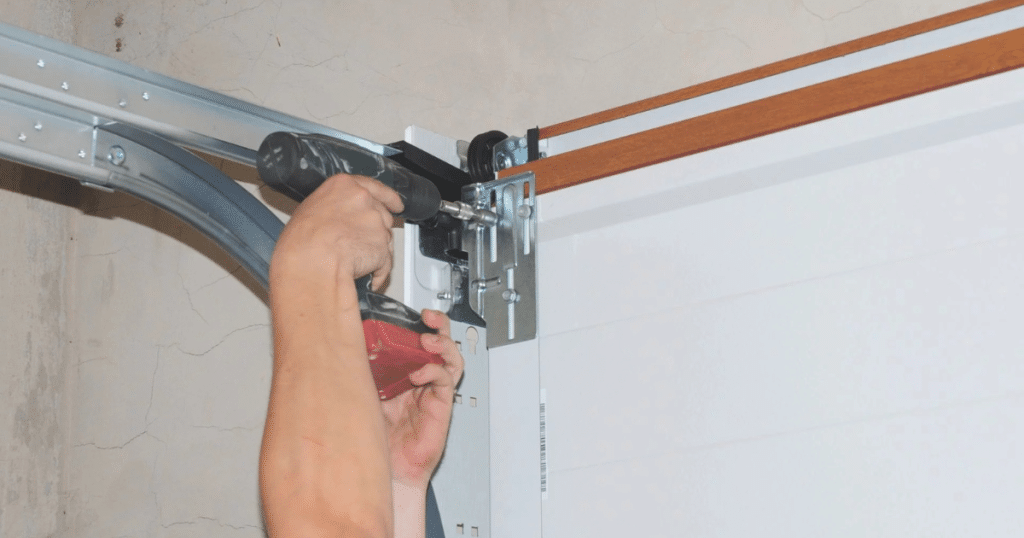
Instead of prying or bending the track, remove the screws or bolts from the lower section of the vertical track bracket on one side. This allows the track to gently flex outward, creating just enough space to slide the roller out safely.
Be careful not to over-loosen or deform the track’s shape.
3. Remove the Old Roller
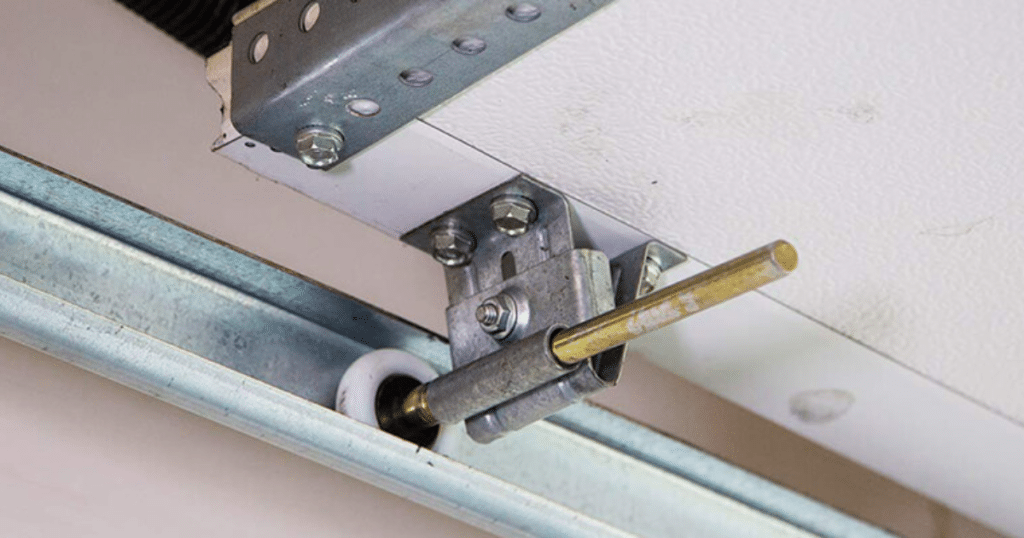
Use a flathead screwdriver to gently pop the old roller out of the hinge bracket. If the roller is worn, cracked, or squeaky, this is your chance to upgrade to a quieter, more durable replacement (such as nylon-coated or sealed-bearing rollers).
4. Install the New Roller
Slide the new roller into the hinge bracket and ensure the wheel fits smoothly into the track. Test that the roller spins freely and is seated securely. This step is important for smooth travel and noise reduction.
5. Re-secure the Track Bracket
Once the new roller is installed, reposition the track and firmly tighten the screws or bolts that were removed earlier. Double-check alignment to confirm that the track is flush and has not shifted during the process.
6. Repeat for Additional Rollers
Work your way up the door, repeating this process one roller at a time. Never remove multiple track brackets or rollers at once, as this may destabilize the door or warp the track.
7. Test the Door
When all rollers are replaced:
- Remove the locking pliers.
- Reconnect the garage door opener.
- Operate the door manually a few times to ensure smooth movement and alignment.
- Then test it with the opener to confirm full function.
Extra Safety Tips
- Do not replace rollers on top brackets or near torsion springs unless you’re a trained technician. These areas are under high tension and can be dangerous.
- Wear gloves and safety glasses to protect your hands and eyes from metal edges or slipping tools.
- Use compatible replacement rollers—check your existing roller’s size (typically 2-inch or 3-inch diameter) and shaft length before buying new ones.
Common Mistakes to Avoid
Forcing the Track Open
Avoid using excessive force or prying tools to open the garage door track. This can bend the metal, distort alignment, and interfere with the smooth movement of the door. Always loosen or remove the lower track bracket screws to create a controlled gap instead of forcing anything.
Skipping Safety Steps
Never skip essential safety precautions. Always disconnect the power to the garage door opener before starting any work. Wear protective gloves and safety glasses to avoid injury from sharp components or unexpected movements. Securing the door with locking pliers is also critical to prevent sudden shifts.
Using Low-Quality Rollers
Low-cost rollers may seem appealing, but they often lack durability and proper bearings. This can lead to early failure, loud operation, and strain on the garage door opener. Choose high-quality nylon or steel rollers that are rated for your door’s weight and usage frequency to ensure long-term performance.
Maintenance Tips After Roller Replacement
Keeping your garage door rollers in top condition after replacement ensures quieter, smoother operation and extends the life of your door system. Follow these key maintenance practices:
Lubricate Rollers Regularly
Apply a silicone-based lubricant to the rollers every 3 to 6 months. Focus on the roller bearings and shaft, avoiding excessive application. Avoid using grease or petroleum-based lubricants—they attract dust and debris, which can clog the system over time.
Check Track Alignment
Visually inspect the tracks for any signs of misalignment. Gaps between the roller and track or uneven spacing could lead to unnecessary wear or noisy operation. Use a level if needed, and tighten any loose mounting brackets.
Inspect for Wear and Debris
Periodically check the rollers, hinges, and tracks for signs of wear, flat spots, or debris buildup. Clean the tracks with a damp cloth to remove dirt or grit that could interfere with movement.
Listen for Unusual Noises
If you hear grinding, squeaking, or scraping sounds, that may indicate a roller problem or a separate issue with the springs, cables, or opener. Don’t ignore these signs. Catching them early can prevent expensive repairs.
Schedule an Annual Professional Checkup
Even with regular care, it’s smart to have a garage door technician inspect your system annually. They can assess roller performance, tighten components, test balance, and ensure the entire system runs smoothly.
Frequently Asked Questions
Can I use any type of garage door roller?
No. Choose rollers that match your door’s size, weight, and usage frequency. Nylon rollers are quieter and ideal for residential use.
How often should I replace garage door rollers?
Every 7-10 years for standard rollers. Heavy-duty or sealed-bearing rollers may last longer.
Why does my garage door still squeak after replacing rollers?
Other parts, such as hinges or the opener, may need lubrication or repair. Inspect all moving parts.
Is it safe to replace rollers on a garage door with torsion springs?
Not recommended for DIY. Torsion springs carry high tension. Hire a professional to avoid risk.
Conclusion
Understanding how to replace garage door rollers without bending the track helps you avoid unnecessary damage and extend the lifespan of your system. With careful handling, basic tools, and the right approach, you can perform the replacement effectively. Always follow safety precautions and double-check the components before finishing the job.
If your garage door still shows signs of trouble, consider a complete inspection from a trained technician. Professional service ensures not only safety but long-term reliability for your garage system.
BSD Garage Doors offers expert roller replacements, track inspections, and comprehensive garage door repair services in Naperville and the surrounding areas. Let us help you keep your garage door working smoothly and safely.
End NOTE
BSD Garage Doors has established a trusted reputation by providing reliable and timely garage door solutions throughout Naperville and its surrounding communities. Whether you need quick garage door repair in Barrington, IL, or complete garage door repair services in Naperville, our technicians deliver with skill and precision.
We also offer garage services in Naperville, IL, including new door installation, spring repair, and opener replacement. All our services are detailed clearly in our price list, and you can schedule an appointment through our online booking page.
Follow us on Facebook, Twitter, and LinkedIn for service updates, garage door tips, and maintenance advice. Explore our full service area to see if we serve your neighborhood.
BSD Garage Door, LLC
955 West 75th Street, Naperville, IL, 60565, United States
+16305181962